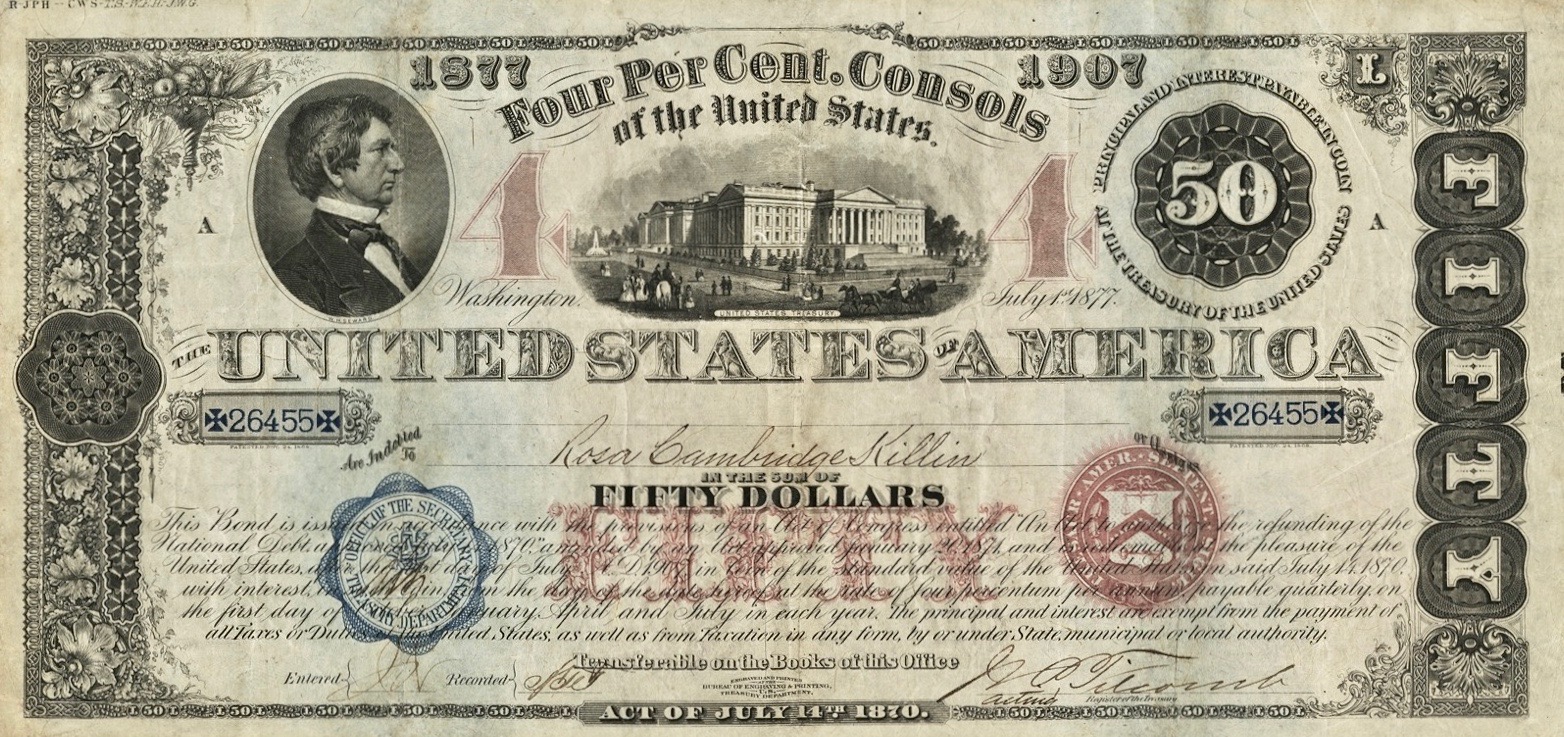
You may have heard treasury yields have recently hit 20 year highs. If you are buying or selling a home in Philadelphia or South Jersey, mortgage rates probably matter a lot more to you than Treasury yields. But the two are connected, and when Treasury yields move higher, mortgage rates often follow. When treasury yields get lower, mortgage rates have more of an opportunity to decrease.
Don’t just take our word for it…
PBS NewsHour has explained why Treasury yields can rise and why higher yields matter to consumers and the broader economy. For local real estate, higher borrowing costs change what you can afford.
The Aragona Group is here to help. We certainly don’t have a crystal ball, but can absolutely help guide you through the buying and selling process.

What Are Treasury Yields, and Why Do They Matter?
Treasury yields are the returns investors receive for holding U.S. government debt. If a bank gets 5% back from the government for lending it $400,000, this means a bank is going to need to charge a person more because they are less reliable than the federal government. This percentage point increase typically hovers around 2% to account for people not paying them back.
Mortgage rates do not move exactly in lockstep with the 10-year Treasury, but the relationship is close enough that rising Treasury yields often put upward pressure on mortgage rates. If the bank can get more from the government, they’re going to ask more from a lender.
For buyers, that can mean a higher monthly payment on the same house. For sellers, it can mean fewer buyers are able or willing to stretch to a higher price point.
What Does a Higher Mortgage Rate Actually Cost?
Let’s say a buyer purchases a $500,000 home with 20% down, leaving a $400,000 mortgage on a 30-year fixed loan.
| Mortgage Rate | Approx. Monthly Principal & Interest |
|---|---|
| 5% | $2,147 |
| 6% | $2,398 |
| 7% | $2,661 |
| 8% | $2,935 |
These examples include principal and interest only. They do not include property taxes, homeowners insurance, mortgage insurance, HOA fees, or other housing costs.
A move from 6% to 7% adds about $263 per month, or roughly $3,156 per year. A move from 6% to 8% adds about $537 per month, or more than $6,400 per year.
How Higher Rates Change Buying Power
Now consider the same situation from another angle.
A buyer who is comfortable spending about $2,400 per month in principal and interest could support a mortgage of roughly $400,000 at 6%.
At 7%, keeping the payment close to that same $2,400 means the mortgage amount would need to fall to about $361,000. That is nearly $39,000 less borrowing power because of a one-percentage-point increase in the mortgage rate.
With 20% down, that can be the difference between shopping around a $500,000 purchase price and closer to $451,000.
In the Philadelphia area and South Jersey, that kind of change can materially affect which neighborhoods, school districts, property types, and home sizes fit within a buyer’s budget.
What This Means for Philadelphia and South Jersey Buyers
Higher rates can make buying more expensive, but they can also change the competitive landscape. Borrowing costs rising can cool a market, but that may give a prepared buyer more negotiating room.
In some cases, buyers may encounter fewer multiple-offer situations, more willingness from sellers to discuss concessions, or simply more time to make a thoughtful decision.
Don’t get carried away though. The Northeast real estate market is still competitive because of demand, population density and a lack of new development compared to other areas of the country.
South Jersey buyers also need to look beyond principal and interest. Property taxes can vary considerably by municipality, so two homes with the same list price can have very different monthly carrying costs. Insurance, HOA fees, and other expenses can also change the picture.

What Happens If Rates Fall?
A lower mortgage rate does the opposite.
On that same $400,000 mortgage, dropping from 7% to 6% lowers principal and interest from about $2,661 to $2,398 per month. That is a savings of roughly $263 per month.
Dropping from 7% to 5% lowers the payment to about $2,147, a difference of more than $500 per month.
That can make a major difference in affordability, but lower rates can also bring more buyers back into the market. If inventory remains limited, that extra demand can increase competition.
Should Buyers Wait for Rates to Fall?
There is no reliable way to know exactly where mortgage rates will be six months or a year from now.
A buyer who waits may benefit if rates fall, but home prices could rise in the meantime, competition could increase, or the right property could sell to someone else.
A better question is whether a home works financially under today’s terms.
If the monthly payment is comfortable, the property fits your needs, and you are financially prepared, buying may still make sense even if rates are higher than you would prefer.
What buyers should avoid is purchasing a home they cannot comfortably afford today because they are counting on refinancing later. Rates may fall, but there is no guarantee they will.
What Higher Rates Mean for Sellers
Sellers should care about mortgage rates because buyers care about monthly payments.
If a $400,000 mortgage costs about $2,398 per month at 6% and $2,661 at 7%, some buyers will no longer be able to afford the same purchase price when rates rise.
That does not automatically mean home prices will fall, but it does make pricing more important.
A home that might have attracted several aggressive offers in a lower-rate environment may need to be positioned more carefully when buyers are more payment-conscious.
Sellers should look at current competition, recent comparable sales, property condition, local inventory, and buyer activity rather than relying too heavily on what a neighbor sold for months ago.
Why Higher Rates Do Not Always Push Prices Down
There is another side to the equation.
Higher mortgage rates can discourage existing homeowners from selling, especially if they already have a much lower rate on their current mortgage. If fewer people list their homes, inventory can stay tight.
That limited supply can continue to support prices even when borrowing costs are higher.
This is one reason national headlines can be misleading. A broad story about rising rates does not tell you exactly what is happening in a specific Philadelphia neighborhood or South Jersey town.
Cherry Hill, Collingswood, Mount Laurel, Moorestown, Washington Township, and different parts of Philadelphia can all behave differently depending on inventory, demand, taxes, property type, and price point.
What Buyers and Sellers Should Focus on Now
Buyers should make sure their preapproval reflects current rates, ask their lender to show payment scenarios at different interest rates, and set a monthly budget that includes taxes, insurance, and other ownership costs.
Sellers should price for the current market, not the market from six months ago, and pay attention to how higher monthly payments may affect their likely buyer pool.
Both sides benefit from focusing less on predicting rates and more on understanding what current conditions mean for the specific property and price range they are dealing with.
The Bottom Line
Treasury yields matter because they can influence mortgage rates, and mortgage rates directly affect what a buyer pays each month.
Those changes can affect how much a Philadelphia or South Jersey buyer can afford and, in turn, how sellers should approach pricing and negotiations.
The bigger lesson is that real estate decisions should not be made from national headlines alone. Local inventory, neighborhood demand, property taxes, home condition, and personal finances all matter.
The Aragona Group can help buyers and sellers understand how today’s rate environment is affecting the Philadelphia and South Jersey market at the local level. If you are considering a move, the next step is to look at the numbers for your specific price range and market rather than guessing where rates may go next.
Ready to Find the Right Real Estate Agent?
If you’re trying to decide which Philadelphia or suburban real estate professional is right for you, reach out to the Aragona Group. We would love to say hello!
Start a conversation: Contact Us Today!
-
300+ Philadelphia area homes sold in 2025
-
Top 1% of realtors in Philadelphia
-
Apple News Top 10 Real Estate Agents in Philadelphia
-
Philadelphia Magazine’s Top Real Estate Producers 2024
-
Ranked in America’s Best by Real Trends & Tom Ferry in 2024