With home prices rising faster than incomes, I've had more buyer clients ask me about buying a bank-owned home that has gone through foreclosure, or worse, a "short sale" home. Short-sale homes are ones that are in foreclosure proceedings, but not yet bank owned, and their value is less than the remaining balance owed on the mortgage. In this scenario, the bank has to approve taking a loss by receiving less than the full amount to waive their rights to any further payment from this property.
It's true that foreclosed homes sell for less than similarly sized and located homes, but there are several aspects that are very much not similar.
The first difference, which should be obvious, but surprisingly few people think about, is that a homeowner who doesn't have the money to make their mortgage payments also didn't have money to address repairs and regular maintenance. So these homes have more investment that is needed soon after closing. And it's harder to find out what these might be, and how extensive or costly this work could be.
When a bank takes possession of a property, they "winterize" it, no matter the season. This involved draining the plumbing lines and often stopping electric and gas service. Therefore, systems cannot be easily tested by a potential homebuyer, severely limiting the usefulness of a home inspection. Reinstating discontinued services is also more complex and expensive than just transferring existing service from the seller to the buyer.
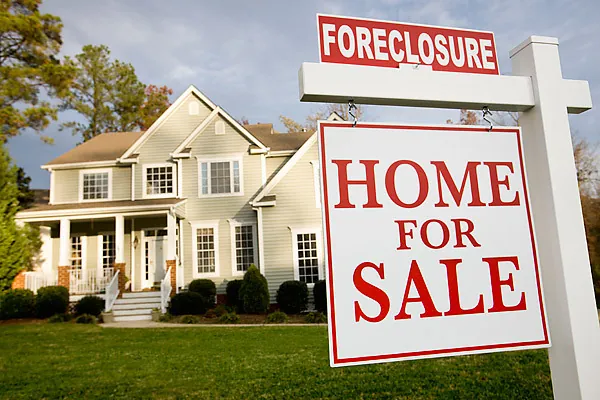
Closing costs are also higher, as banks generally don't pay any of the transfer taxes, which are otherwise typically split 50/50 on the buyer and seller sides. Some banks don't cover any of the buyer side commission and some impose additional service fees.
Finally, foreclosure departments are a cost to banks, not a revenue source, so each portfolio manager is burdened with hundreds of properties to manage, making every step that involves their interaction, from responding to an offer to arranging settlement, slow with massive follow up on the part of the buyer required.
Short sales have all of the above with the added problem that while a bank might break even on a foreclosure, they are, by definition, losing money on a short sale. As a result, those overburdened portfolio managers reply to short sale needs after they deal with all the foreclosure tasks on their desktop. As a result, getting to closing with short sale purchases takes, at best, 3-4 months to get to closing, typically 6-15 months, and it's not surprising to take up to two years.
Foreclosure sales and short sales are really only used by investors who have multiple projects in the works simultaneously, and don't care which project is next in line. They can afford, literally, to have some purchases drag on 6-18 months while they are working on other properties. For a homebuyer looking for a single property to purchase, the foreclosure route is much more difficult, brings many more unknown hidden costs, and is far more frustrating than to keep looking while increasing down payment savings.